The universe is a vast expanse which continues to remind us of endless possibilities. Of late, and perhaps for eons before we even existed on Earth, gazing up at the celestial heavens will reveal the occasional phenomena, whether human-made or otherwise. Commonly, one can observe the Moon, certain planets and especially stars. To the more observant astrologer, a satellite and the often rare meteor would also grace the skies. To the aspiring space advocate, other events demonstrate the nuance and dynamism that is space. Say for instance, the legal and technical challenges that may occur, even before the space object reaches the Karman line.
What Goes Up, Hopefully, Never Comes Down
This is the hope, at least within the space industry. Whether it concerns a satellite launch, operating or telescope, or delivering precious cargo to the International Space Station (ISS), every single space mission aims to deliver an object into orbit for a specific purpose. But sometimes, these missions fail, and yes, even rocket science fails. When they do, space lawyers take notice.
On the 21st of April, 2026, Blue Origin's New Glenn rocket suffered a second-stage thrust shortfall during its third test flight. It was carrying an AST SpaceMobile satellite payload, which was ultimately left in an unused orbital slot and lost. Responding to this, the Federal Aviation Administration (FAA) ordered for the grounding of the launch vehicle pending investigation,highlighting as well the seriousness of the anomaly.
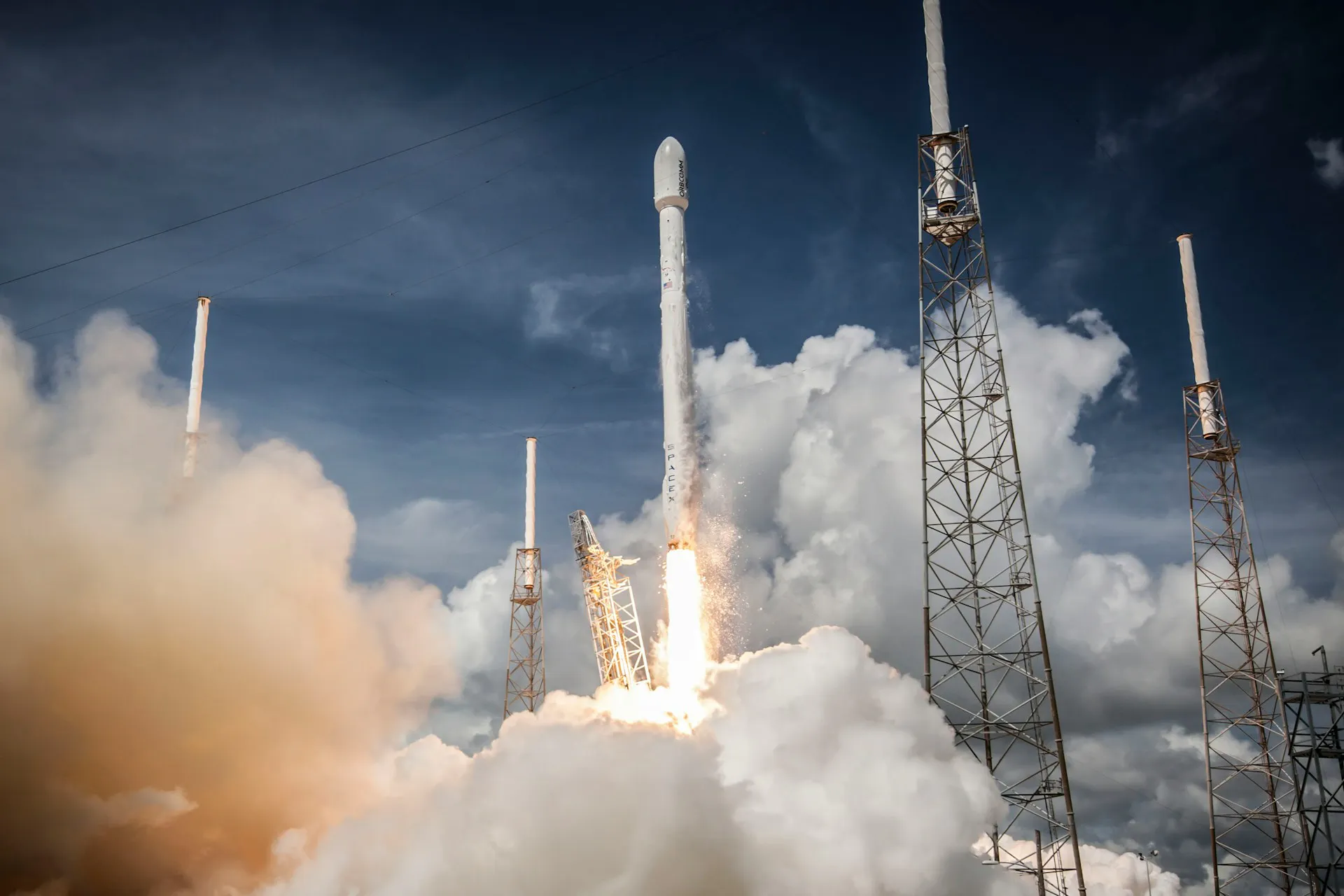
Then on May 28th, 2026,during a separate static fire test for the NG-4 mission, another catastrophe ensued. The booster unexpectedly exploded at Cape Canaveral destroying both the rocket and upper stage. No lives were lost, however the launch pad and surrounding infrastructure was significantly damaged. New Glenn is not the first to experience this. In 2016, SpaceX’s Falcon 9 exploded during a similar pad test.In 2021, Firefly’s Alpha rocket also failed two and a half minutes into flight, after an engine anomaly triggered its safety system. What these examples show is that rocketry is a highly risky business.
In this context the question facing African governments should be when and how are we investing in space, not why, as the latter can already be justified simply because space is useful in solving much of the developmental challenges the region is facing. Can African governments with a future-oriented, 4th industrial revolution outlook afford not to invest in space, is the more pertinent question? Brandon Barnes spoke about the potential of space technologies to help address some of Africa’s most pressing developmental challenges whilst also creating opportunities for a continent where approximately seventy percent of the population is under the age of thirty. The demographic advantage represented by Africa’s youth population could become one of the continent's most significant strengths, especially when considering that by the year 2050, 1 in 4 members of the population could be African. Any forward-facing African or global institution must then necessarily think about what Africa’s burgeoning growth will mean for global development narratives.

Classifying the Problem: Liability in Space
Rather than focus on the technicalities, this article concerns the liability that may ensue when such events take place. Liability - defined as the legal responsibility for harm - is a central talking point in space law. In the New Glenn scenario, several forms of liability could apply (it must however be noted that this article is theoretical in nature and does not attempt to ascribe liability in any form to the companies mentioned above, or any actor in like or similar manner. The case studies serve only as a reminder on the significance of governance in these areas to ensure that space awareness is achieved and important topics are made available for consideration to the wider legal and broader communities. The writer’s theories are completely their own).
a. Compensatory liability:
This is punishment for wrongdoing. The precedent for this type of liability was made during the Cosmos-954, when Canada sought compensation after a Soviet nuclear satellite crashed on its territory.[1] Had New Glenn’s payload re-entered uncontrolled, or had the May explosion caused off-site damage, penal liability claims under the 1972 Liability Convention might have been triggered.
b. Remedial liability:
This form of liability concerns the obligations to act correctly. Under the Registration Convention, States must notify national and UN registries of satellites, even if missions fail. New Glenn’s lost payload raises questions about orbital reporting and compliance, especially when the instruments do not proffer a definitive time line, but rather, request said States to inform as soon “as practicable” after launch.
c. Vicarious liability:
This type refers to the responsibility that is passed up the chain of command. Take for instance when a contracted manufacturer contributed to the thrust anomaly, liability could extend beyond Blue Origin, complicating multipolar, or third-party commercial arrangements.
c. Absolute liability:
The final category for liability for purposes of this article pertains to the responsibility for any damages made, regardless of the existence or not of fault. Article 2 of the Liability Convention applies to this principle, and seeks to ensure that any damage caused on Earth is also accounted for. This provision recognises the costs involved in bringing missions to orbit, and ensures there is jurisdiction to be compensated for losses which occur before reaching space. In business terms, this might assure continuity of processes. The May 2026 explosion, though contained, could have easily met this threshold had third-party property been affected.
The Bigger Question
In the wider sense, New Glenn's troubles” matter because of its role in the Artemis Program, but such setbacks are normal and considered routine in industry speak.
Nevertheless, and as a key vehicle for NASA’s lunar architecture and commercial missions, repeated failures ripple outward. Investors and insurers are watching, but so too are States and other emerging players who have staked diplomatic and reputational capital on the equitable access to cislunar space. Rocket failures can also raise equity challenges, hence space lawyers have to watch closely to help mitigate against a growing list of possible governance challenges in space.
Every setback or delay slows down the inclusive vision of humanity’s venture into space, most especially the Global South. And accordingly, every unresolved question of liability leaves similar actors vulnerable, lacking the litigation resources of larger spacefaring nations or actors. As launch cadence increases, sharper tools, clearer precedents and proactive legal frameworks will be needed before the next countdown, not after the anomaly.